
Why design reviews save thousands in manufacturing costs

A design review is one of the most cost-effective steps in any product development process. Yet it is also one of the most frequently skipped, especially under schedule pressure. The result is predictable: design errors that could have been caught in an afternoon review instead surface on the shop floor, costing multiples of what early correction would have required. At NM Engineering & Design, we have seen this pattern repeat across sectors, and the evidence is consistent: structured design reviews do not slow projects down; they protect them.
What is a design review?
A design review is a structured evaluation of engineering drawings, CAD models, or assembly designs before they are committed to manufacture. The purpose is to identify errors, ambiguities, and manufacturability issues while changes are still cheap to make, before tooling is cut, materials are ordered, or production runs begin.
Reviews can take several forms depending on the stage of development. Concept reviews assess whether the fundamental design approach is sound. Detailed design reviews examine drawings and tolerances for completeness and accuracy. Pre-production reviews, sometimes called DFM (Design for Manufacture) reviews, evaluate whether the design can be made efficiently and reliably at the intended production volume.
The cost of finding errors late
The engineering principle behind design reviews is well-established: the cost of correcting a design error increases dramatically the later in the process it is found. A tolerance error spotted in a CAD review might take an engineer an hour to fix. The same error found after a batch of components has been machined requires scrapping the parts, rescheduling the supplier, and potentially revising the mould or fixture, a cost that can run into thousands of pounds, sometimes tens of thousands.
Common issues that design reviews catch include: dimensional errors that would cause assembly interference, surface finish specifications that are unnecessarily tight (and therefore expensive), tolerances that cannot be held reliably on standard machine tools, features that require specialist tooling when a minor geometry change would eliminate the need, and missing or ambiguous information on drawings that suppliers interpret differently.
What a good design review actually looks at
Effective design reviews go beyond checking whether a drawing is complete. They evaluate the design against manufacturing reality. Key areas include:
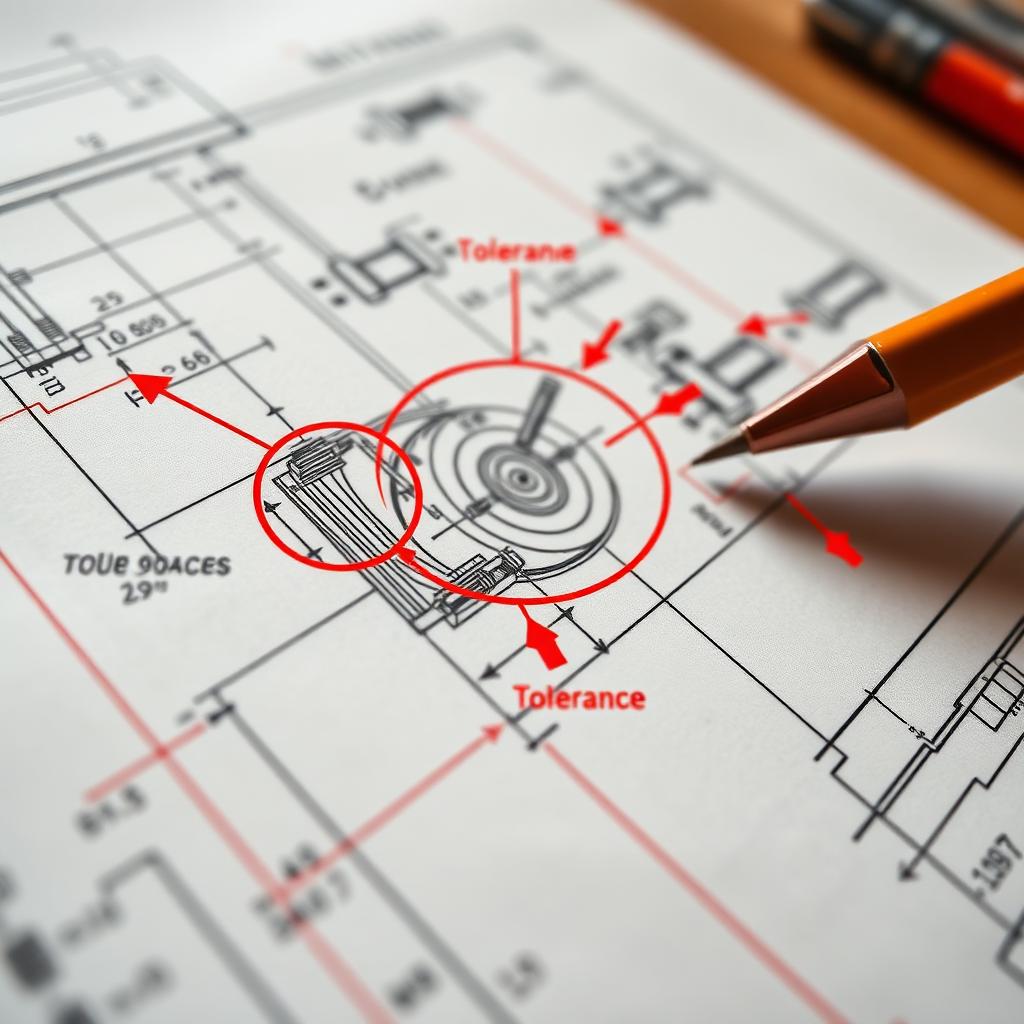
- Tolerances and fits: Are tolerances appropriate for the function? Tighter than necessary tolerances push up machining time and reject rates without improving performance. Are fits correctly specified for the assembly method?
- Material and process alignment: Is the specified material compatible with the manufacturing process? A design intended for CNC machining that incorporates deep internal radii smaller than available tooling, for example, will require expensive workarounds or process changes.
- Assembly feasibility: Can the parts physically be assembled in the intended sequence? Are there access constraints that make fastening, welding, or bonding impractical?
- Drawing completeness: Are all views, dimensions, and notes present? Are GD&T callouts correctly applied? Are there datums established for all critical measurements?
Design reviews in practice: real savings
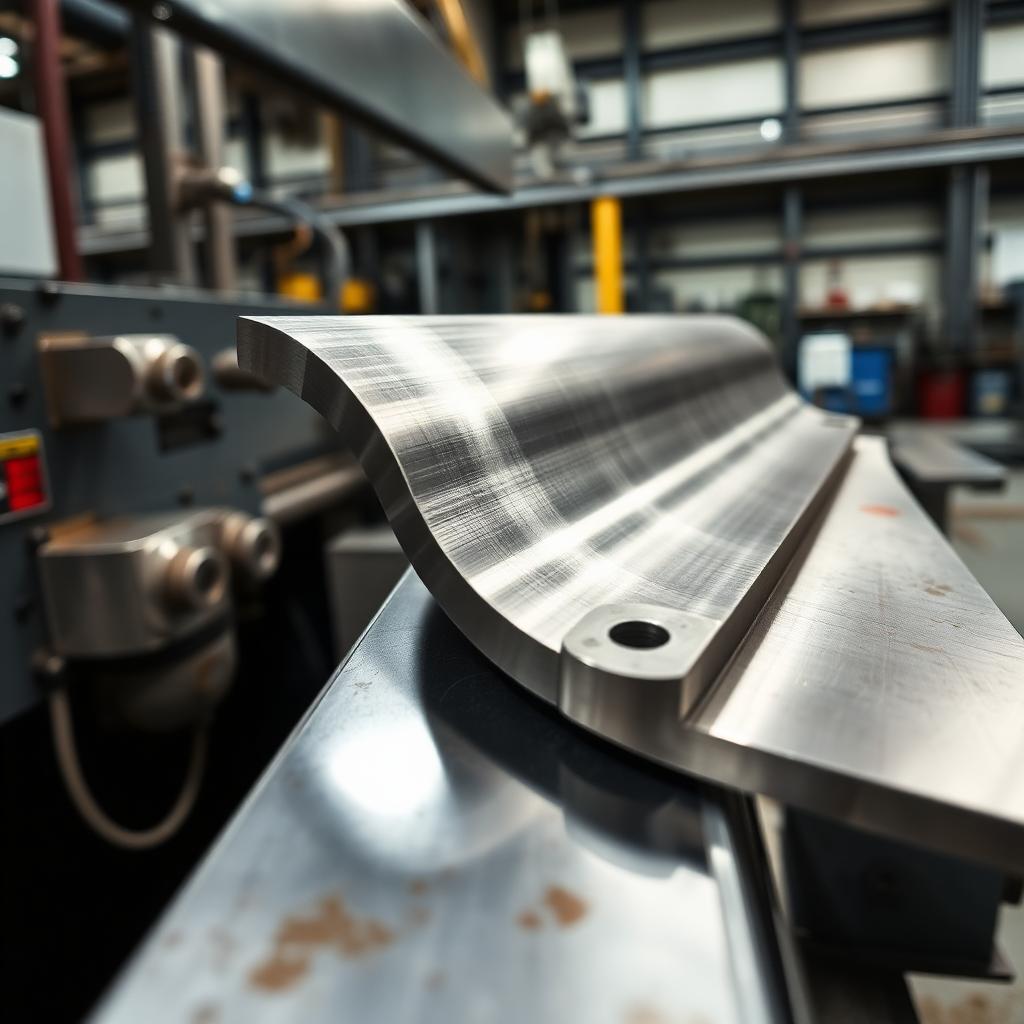
Consider a common scenario in sheet metal fabrication. A design calls for a flange bend with a radius too tight for standard tooling, combined with a hole positioned so close to the bend line that it will distort during forming. Neither issue is catastrophic in isolation, but together they require a custom press brake tool and a post-bend drilling operation, adding cost and lead time that a 30-minute design review would have eliminated.
In injection moulding, the stakes are higher still. Mould tools represent a significant capital investment, often £10,000 to £100,000 or more depending on complexity. A design review before tooling commences that identifies wall thickness inconsistencies, insufficient draft angles, or sink risk areas can prevent costly tool modifications or, in the worst case, a complete tool re-cut.
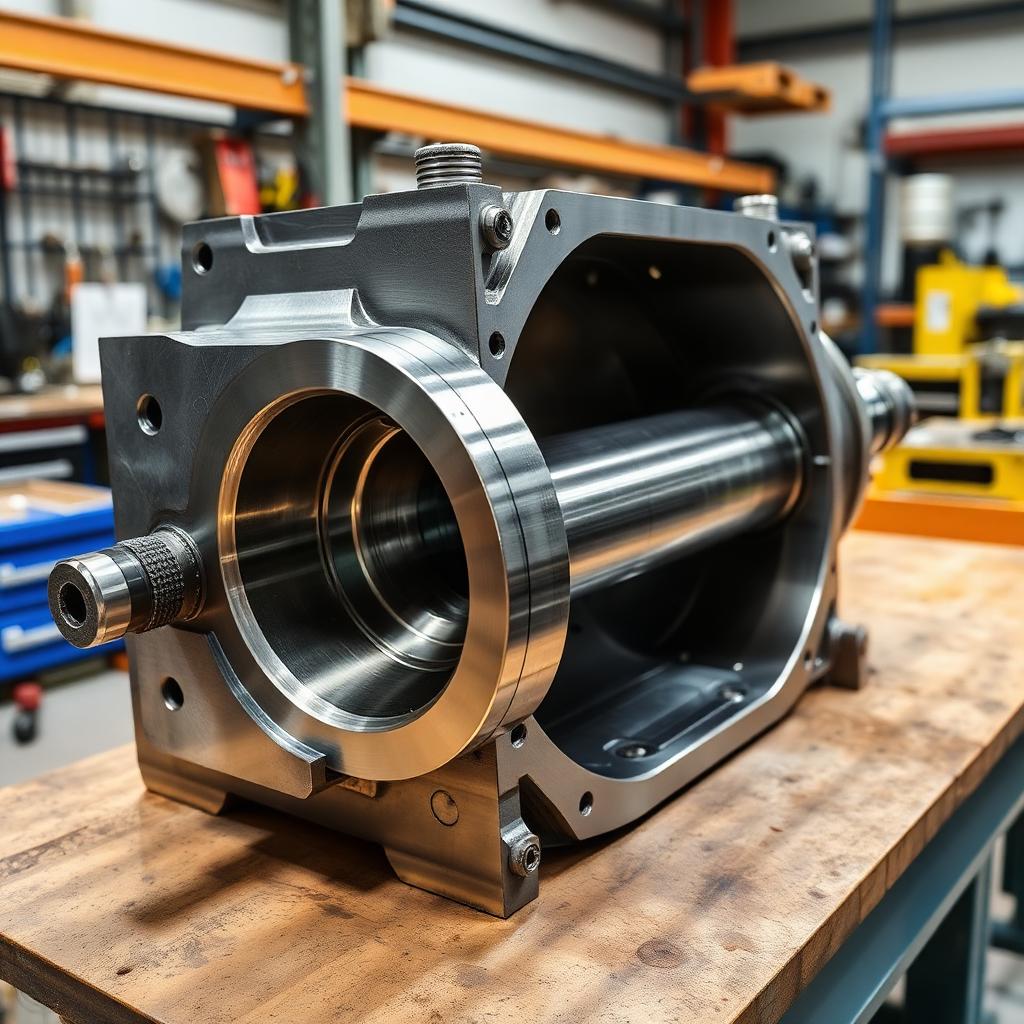
For bespoke machined components, tolerance stack-up analysis during a design review frequently reveals that the cumulative effect of reasonable individual tolerances produces an assembly that will sometimes fail to fit together. Identifying this before machining begins avoids scrapped components and rework.
Who should conduct a design review?
The most valuable design reviews involve perspectives that are not those of the original designer. A second engineer reviewing the same drawing will spot ambiguities that familiarity caused the author to overlook. Including someone with manufacturing experience, whether in-house or from the supply chain, adds a layer of practical scrutiny that is difficult to replicate from a desk alone.
For smaller businesses without large in-house engineering teams, an external design review conducted by a specialist consultancy provides this function without the overhead of permanent headcount. An experienced reviewer brings exposure to a wide range of manufacturing processes and failure modes, often identifying issues that specialists in a single process or sector might not anticipate.
When in the process should reviews happen?
Design reviews are most valuable at transition points: when moving from concept to detailed design, when drawings are issued to suppliers for quotation, and before production tooling is ordered. A review at quotation stage is particularly powerful because it catches issues before the design is locked in by supplier commitment or tooling expenditure.
It is also worth conducting a review at the prototype stage, not to check whether the prototype worked, but to assess whether the design has been updated to reflect what was learned from it. Prototype iterations frequently introduce changes that are not fully resolved into a coherent, manufacturable design before the project moves to production.
The cost-benefit case is clear
A professional design review typically takes a few hours to a day, depending on complexity. Set against the cost of a single manufacturing defect, a mould tool modification, or a delayed production run, the return on that investment is rarely in doubt. Design reviews are not a quality bureaucracy, they are a practical risk management tool with a measurable return.
If you are approaching a production milestone and want an independent review of your designs before committing to manufacture, NM Engineering & Design can help. Our engineering team has experience across a wide range of manufacturing processes and can provide clear, actionable feedback that protects your schedule and budget.